Biodata guides
About Me for Marriage Biodata: 30 Examples
30 real-sounding 'about me' examples for a marriage biodata, for girls and boys, with a simple three-line formula and the phrases to avoid.
Oct 31, 2026 · 6 min readRead
Guides for families making a marriage biodata and matching kundlis
Our guides are written by the small team that builds the biodata maker and the Gun Mile Report. We write for parents and families first: plain words, real examples, and nothing that frightens or sells.
How we write. Every guide starts from the questions families actually ask us and in search. Biodata guides follow the formats families use across India's communities and languages. Kundli guides follow the widely used Ashtakoota (36 gunas) and Porutham traditions. Where astrologers differ, we say so rather than pick a side.
What we never do. We don't promise outcomes, predict misfortune or recommend paid remedies. Astrology is a tradition many families value, and one input among many.
Corrections. If you find a mistake, write to us at anshumansharma327@gmail.com and we will fix it and update the date on the guide.
30 real-sounding 'about me' examples for a marriage biodata, for girls and boys, with a simple three-line formula and the phrases to avoid.
How many gunas should match for marriage: what 18, 24, 28 or 32 out of 36 means, when a high score still needs care, and when a low score can still work.
Can you match kundlis without the birth time? What still works, what doesn't, how to find a lost birth time, and why you should never guess the time.
How to write partner expectations in a marriage biodata respectfully, with 20 examples for girls and boys, and the requirements you should never write.
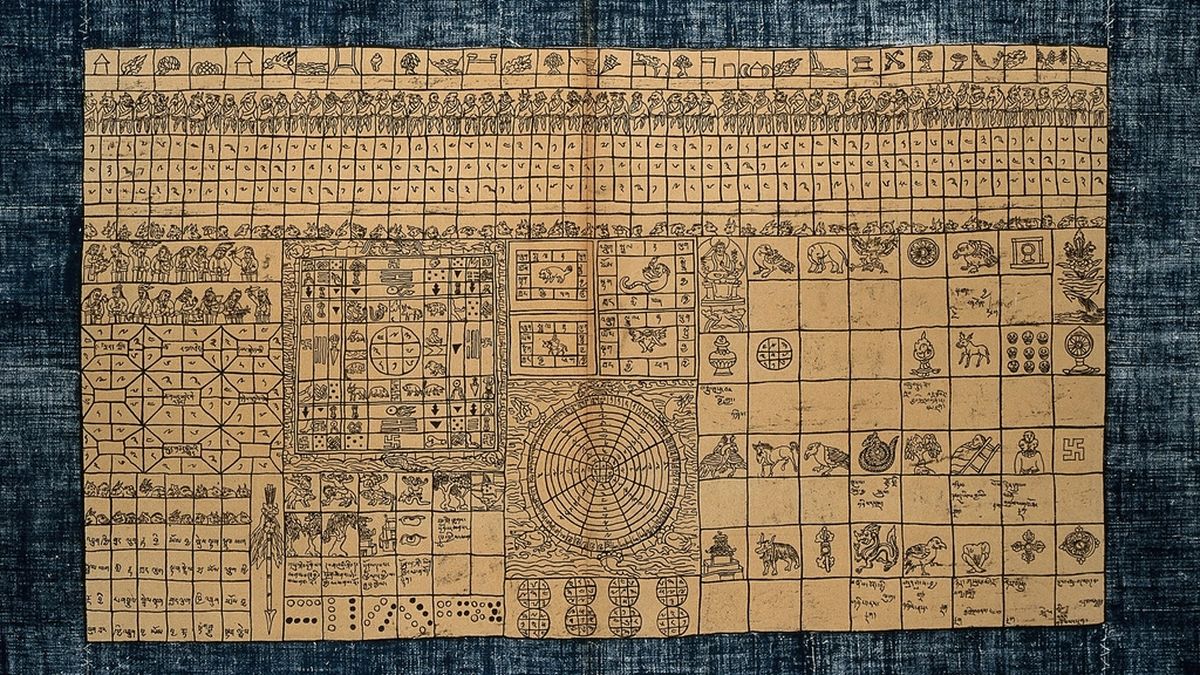
Guna Milan explained simply: the 8 kootas and their points, what 18, 24 or 30 out of 36 means, which doshas matter, and what the total doesn't tell you.

What bhakoot dosha is, why moon signs 2/12, 5/9 or 6/8 apart score 0 of 7 in Guna Milan, the traditional cancellations, and how to read it calmly.
How to take a good marriage biodata photo with just a phone: light, background, clothes, pose and framing, and the mistakes that make families skip a biodata.
What manglik (mangal) dosha is, how it is checked, the traditional cancellations, what partial manglik means, and how to write it on a marriage biodata.
What nadi dosha is, the three nadis (Aadi, Madhya, Antya), why it scores 0 of 8 in Guna Milan, the traditional exceptions, and how families should read it.
Thirumana porutham explained: the 10 poruthams, why Rajju and Vedha matter most, how many should match, and how Tamil, Telugu and Kerala families use them.
40 thoughtful questions to ask in the first arranged marriage meeting, about work, family, money, living arrangements and values, plus what to avoid asking.
A simple way to plan an Indian wedding budget together: the main heads, how to split costs, and where families often overspend.
How families and priests pick a wedding muhurat using the panchang: tithi, nakshatra, the couple's details and the months many families avoid.

What to write in every section of a marriage biodata, with real examples: personal details, education, family, about me, expectations and contact.